Your Reliable General Contractor for Superior Home Renovations
A reliable general contractor serves an essential role in residential renovations. Their knowledge ensures projects are completed with accuracy and attention. By concentrating on superior materials and workmanship, they enhance both aesthetics and value. Open communication and thorough preparation are vital for a smooth process. However, many homeowners overlook key factors when choosing a builder. Understanding what to emphasize can make all the difference in achieving a quality remodel. What should property owners consider first?
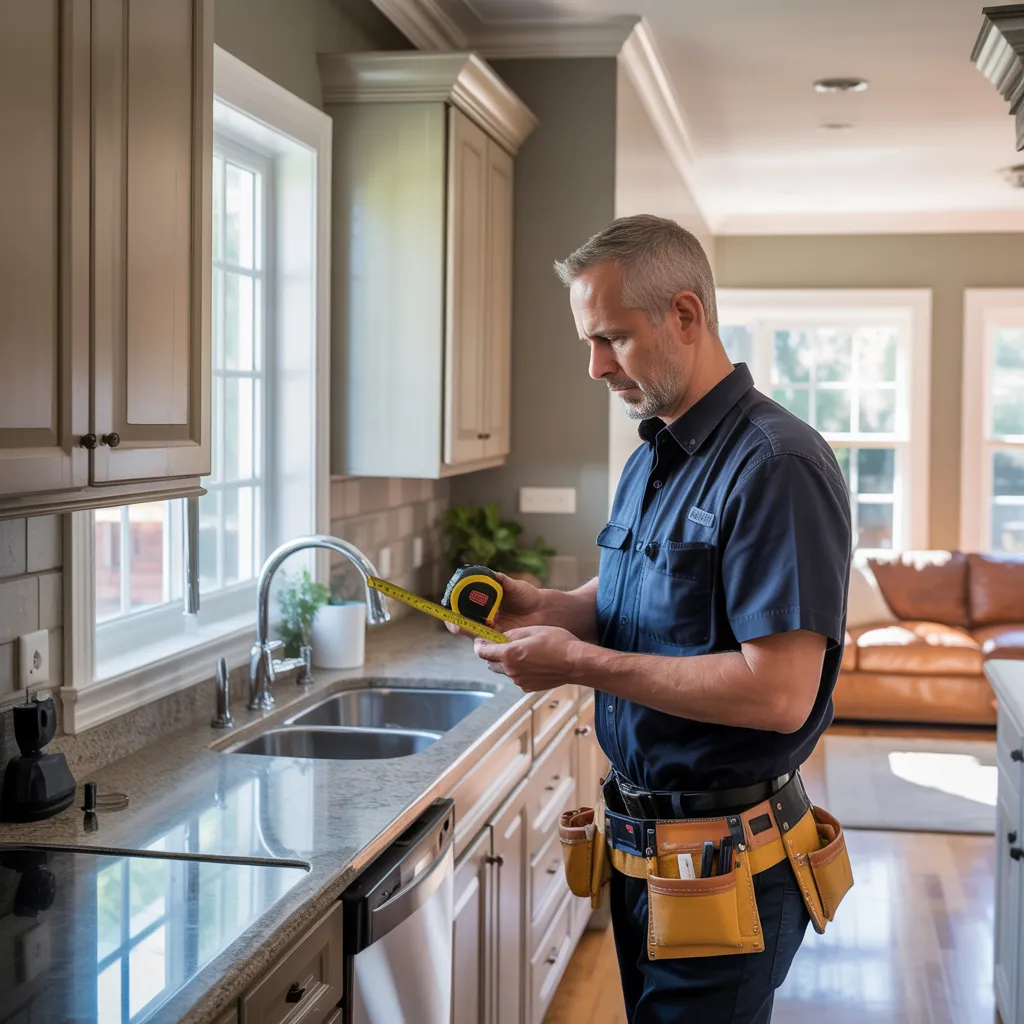
Key Things to Evaluate When Selecting a Dependable General Contractor
When starting a home renovation undertaking, how can one ensure they select a reliable general contractor? Initially, people should obtain suggestions from friends, family members, or web-based reviews to identify prospective contractors. It is crucial to verify qualifications, including licenses and insurance, guaranteeing the builder complies with local requirements. Next, reviewing past work through portfolios or references provides understanding into the contractor's craftsmanship and reliability.
Furthermore, acquiring multiple estimates can help gauge fair pricing and work timelines. The ability to communicate are also critical; a contractor should be approachable and attentive to questions. Additionally, a solid agreement detailing scope of work, timelines, and payment schedules protects both sides. Ultimately, follow your gut; if a builder appears unprofessional or unclear, it may indicate upcoming problems. By adhering to these guidelines, homeowners can significantly boost their chances of hiring a dependable construction professional, leading to prosperous renovation projects.
Why Choosing a Local General Contractor Is Your Ideal Decision
Going with a local general service provider can greatly improve the achievement of home improvement projects. Local contractors hold invaluable understanding of the area, such as building codes, rules, and zoning restrictions, maintaining compliance and efficiency. Their well-established relationships with vendors and subcontractors can provide better pricing and timely availability to materials and skilled labor.
Furthermore, local contractors often have a standing to maintain within the neighborhood, motivating them to provide superior craftsmanship. This feeling of responsibility fosters confidence and trust among property owners.
Furthermore, closeness allows for easier communication and quicker response times, which can be crucial during a project. Homeowners can also ask for referrals from neighbors or friends who have previously worked with the contractor, giving peace of mind. Overall, choosing a local general contractor not only supports the community but also enhances the overall quality and experience of home improvement endeavors.
Step-by-Step Guide to Your Home Improvement Journey
Initiating a home improvement project requires detailed preparation and proper execution. Creating a project timeline is important to confirm that responsibilities are accomplished without delay, while selecting superior products can significantly affect the overall outcome. This handbook will explain these vital procedures to guide homeowners along their improvement process productively.
Arrange Your Assignment Timeline
A carefully planned renovation timeline is important for achieving quality property improvements, confirming that each phase is executed productively. To start, homeowners should define the project's scope, describing specific objectives and expected outcomes. After that, they should contact their general contractor to determine a realistic timeframe determined by the project's difficulty level and needed work. Separating the project into manageable parts allows for better tracking and adjustments as needed. It is also essential to account for potential setbacks, such as seasonal changes or sourcing problems, which could affect the timeline. Regular check-ins with the contractor can assist in keeping the project moving forward. Ultimately, a well-defined timeline fosters conversation and clarifies expectations, resulting in a smoother home improvement journey.
Choosing High-Quality Materials
selecting premium products significantly impacts the success of home improvement undertakings. To get going, homeowners must pinpoint the distinct requirements of their work, weighing components such as strength, appearance, and spending allowance. investigating multiple product selections is critical; this comprises understanding the strengths and disadvantages of individual option choice. speaking with professionals can deliver useful perspective into trustworthy makers and suppliers.
Next, homeowners should request samples to assess the look and feel of materials in person. Comparing prices across different suppliers can help ensure affordable rates without compromising quality. Finally, confirming that materials meet local building codes is essential for protection and adherence to standards. By thoughtfully selecting materials, property owners can enhance both the durability and aesthetic value of their renovations, ultimately adding value to their property.
Share Your Vision Like a Pro
Successful home improvements often rely on the ability to convey a clear vision. Homeowners should express their ideas, tastes, and expectations, ensuring that they convey their wishes effectively to their general contractor. A well-defined plan not only helps in matching the contractor's plans with the homeowner's objectives but also simplifies the decision-making process.
Sketches or mood boards, as visual aids, can greatly enhance communication. They offer a physical example that illustrates style, color schemes, and layout preferences. Additionally, maintaining transparent conversation promotes teamwork, allowing the contractor to ask clarifying questions and provide insights.
Establishing practical deadlines and budgets is equally critical. Property owners should ready themselves to explore constraints frankly to circumvent miscommunications later on. Finally, sharing a vision with clarity and self-assurance enables both participants, creating conditions for successful project execution and rewarding results in residential improvement initiatives.
The Significance of Quality Materials and Artisanship
Regarding home improvements, the selection of long-lasting materials profoundly influences the longevity and usefulness of a project. Similarly vital is the role of skilled craftsmanship, which guarantees that these materials are utilized properly. In combination, high-quality materials and expert workmanship deliver output that stand the test of time.
Sturdy Material Selection
A carefully selected range of resilient materials can significantly impact the durability and visual appeal of home improvements. Premium materials not only improve the visual appeal of a space but also ensure that renovations withstand the test of time. Homeowners should prioritize materials with proven durability, such as hardwood, stone, and high-grade metals, which protect against wear and tear and environmental damage. Additionally, selecting materials appropriate to the local climate can prevent issues like rot or corrosion. Investing in durable options may demand a higher upfront cost, but the long-term benefits—fewer repairs and replacements—make it a wise choice. Ultimately, the right materials add to a home's value and overall satisfaction for years to come.
Talented Craftsmanship: The Value
Quality craftsmanship plays an essential role in the success of home improvements, enhancing the selection of durable materials. Skilled artisans guarantee that every aspect of a project is executed with accuracy, enhancing both performance and aesthetics. Careful consideration in construction, from framing to finishing touches, contributes considerably to the longevity and performance of home features. Quality workmanship not only demonstrates a commitment to excellence but also safeguards against future problems, such as structural problems or aesthetic flaws. Additionally, seasoned professionals understand the nuances of various materials, ensuring they are utilized effectively. Ultimately, investing in skilled workmanship leads to a more rewarding and enduring result, elevating the overall worth of the home and the homeowner's experience.
Common Renovation Errors and How to Prevent Them
Many residents encounter pitfalls during home renovations that can result in costly delays and dissatisfaction. One common mistake is downplaying the budget. Without a comprehensive budget outline, unexpected expenses can quickly emerge, compromising the renovation. Additionally, failing to secure necessary permits can cause penalties and project halts, hindering the renovation process.
One frequent mistake is rushing the decision-making process. Hasty choices concerning layout and design can result in regrets later on. Homeowners often overlook the significance of hiring qualified professionals, which can compromise the quality of work and safety standards.
In the end, failing to communicate efficiently with building professionals can result in misunderstandings and unmet expectations. To circumvent these challenges, homeowners should prioritize careful planning, obtain the necessary permits, choose qualified professionals, and maintain open dialogue throughout the construction project. By resolving these common mistakes, homeowners can ensure a easier and more satisfying renovation experience.
How to Pick the Correct Materials for Your Renovation?
How can property owners ensure they choose the right materials for their remodeling work? First, they should assess the particular requirements of the space, considering factors such as practicality, appearance, and durability. Researching different options is essential; homeowners should compare choices based on their appropriateness for the planned purpose and local climate conditions.
Engaging a trustworthy building contractor can communicate valuable advice into product choices, confirming that preferences match with both monetary goals and design aspirations. In addition, residents must stress eco-consciousness by assessing green alternatives that lower ecological impact.
At last, assessing samples can facilitate informed decisions, letting homeowners to visualize how materials will appear and feel in their setting. By following these steps, homeowners can confidently select materials that better their project while ensuring quality and longevity.
Often Inquired Matters
How Should I Authenticate a Contractor's Qualifications and Insurance?
To confirm a contractor's authorizations and coverage, one can look into state regulatory agencies and insurance providers. Also, requesting read this article copies of licenses and insurance certificates provided by the contractor confirms legitimacy and adherence to requirements.
How Extended Does the Typical Timeframe for Domestic Remodeling Undertakings Last?
The expected timeline for home improvement projects varies, often extending from a few weeks to several months, influenced by how complex the project is, magnitude, and mandatory permits. Maintaining dialogue with the professional can help you establish a more reliable schedule.
Is It Possible to Remain in My Home During Renovations?
Yes, one is able to inhabit a dwelling during remodeling work, though it often depends on the extent of work. Smaller-scale renovations may facilitate ongoing occupancy, while major renovation efforts might necessitate temporary displacement for safety and comfort.
Which Payment Solutions Do Contractors Typically Accept?
Contractors commonly accept a diverse range of payment approaches, including cash, checks, credit cards, and digital payment platforms. Some may also provide financing alternatives, allowing clients leeway in managing renovation costs and payment schedules.
How Do I Handle Disagreements With My Contractor?
To resolve contractor disagreements, one should communicate clearly, record every communication, and seek a resolution through negotiation. If unresolved, mediation or legal action may be necessary to safeguard your rights effectively.